Subject lead: Miss T Quinn
Link Governor: Mrs H Stamps
Our History Curriculum
At Simonside Primary School, our pupils learn best through experiential learning and our history curriculum supports and promotes this. We aim to bring history alive for the children. We want them to think and study like a historian; explore connections between the past and the present and learn from actions and outcomes of the past, rather than simply remembering when key events happened. Our approach to the subject underpins this, where historical skills are taught explicitly and knowledge is imparted through investigation and application of these skills. Our curriculum is carefully planned to inspire pupils to think critically, learn how to ask good questions, develop perspective and judgement and weigh up evidence. Through studying local themes and people, pupils will develop a well-rounded knowledge of the past and its events, with the intention to improve every pupils’ understanding of the world around them and help instil a sense of pride in their own heritage and community.
Pupils at Simonside are given the opportunity to have history specialists into school to share their knowledge and enthusiasm, visit places of historical interest to widen children’s experiences and explore primary and secondary sources hands on in order to engage them and enrich their learning. To widen the aspirations of our young learners, they are regularly exposed to a range of experiences to ensure that they all gain the knowledge, skills and cultural capital they need for future learning, future employment and to succeed in life.
To promote resilience and independence, our history curriculum encourages pupils to adopt a growth mind-set in order to learn from mistakes and develop as learners. We encourage the children to appreciate how our lives today are a result of learning from both the successes and failures of the past. In growth mind-set, we know mistakes help us to learn, likewise society today has been influenced and learnt from past mistakes. Our aim is also to show the children that the human world has changed continuously throughout time and will continue to do so in the future. To promote respect, our history curriculum develops children’s understanding of different cultures and their past. Through studying different cultures and eras, the children are encouraged to consider the similarities and differences between our own and other cultures’ histories. In doing so, our curriculum helps children gain a greater understanding, tolerance and appreciation of others whilst also helping the children to develop their understanding of the context of their own lives and how we are connected to others, enabling them to make more informed decisions for themselves.
Our history curriculum is based on the expectations of the national curriculum and is designed to be both progressive and matched to the needs and interests of our children. It starts with what the children already know and what they would like to know, added to this is what they need to know and from this a bespoke, coherently planned and sequenced curriculum is created. Long term plans are designed to be developmental and progressive and each new topic or learning experience builds on the skills, knowledge and understanding previously taught. Enquiry questions are used to foster children’s curiosity and encourage children to be independent, active and resilient learners. To encourage the children to be flexible and critical in their thinking, they are encouraged to consider sources with an open and unbiased mind. Our curriculum encourages the children to be curious and to have the confidence to question, to consider the validity and relevance of evidence, and not just take facts at face value. In doing so, they are developing the skills and knowledge needed for future learning and employment.

How We Teach History at Simonside
Each unit of work has been carefully written using the guidance of the National Curriculum and teachers refer to the progression of skills and vocabulary grid to inform their planning.
During each unit of work, children will develop the following 7 key history skills in order to become historians:

Logos are displayed in every classroom and consistently referred to throughout lessons, so children understand and acknowledge when and why they are using the skill.
In each era children will learn about and compare some or all of the following historical themes:
• Achievements (scientific and cultural)
• Housing and architecture
• Society (politics and class)
• Food, Farming and Trade
• Entertainment
• Beliefs
• Weapons and warfare
At Simonside Primary School, we exploit cross curricular links where possible, for example, many classes have liked their English, Art, DT, Geography and many other units to their History units, which has enabled them to have a deeper understanding.
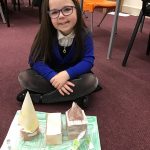
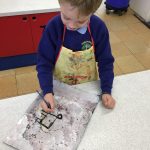
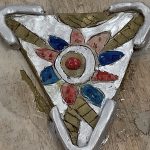
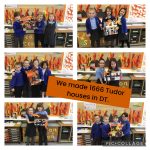
During October, we have a key focus on Black History Month, focusing on a number of inspirational people.
EYFS
Within Early Years, History is taught in line with the Early Learning Goals, specifically the key area of ‘Understanding the World’. Within this area, is a focus on the ‘Past and Present.’ We ensure that all areas of EYFS learning are important and interconnected using planned, purposeful play and a mix of adult-led and child-initiated activities.
Through engaging with photos and stories, the children will look at their own personal history, and begin to make sense of their own life and that of their families. By teaching children about the lives of significant individuals, they can learn more about their roles in society and how they have helped the world to be better place. Simple sequencing skills will be developed through offering the children the opportunity to sequence different events and begin to develop their critical thinking skills. We look at similarities and differences between things in the past and now, using their own experiences as well as using engaging and purposeful texts shared in class. We guide the children to develop an understanding that things have happened in the past, including before they were born.
Children then continue their learning and further develop their understanding independently in the environment around them, where we give them hands-on opportunities to observe, ask and answer questions and become inquisitive. Through discussion and role play, pupils are regularly encouraged to use the language of time to find out about events in each other’s lives. By introducing our youngest children to historical objects and photographs, as well as key vocabulary, children begin to identify similarities and differences between the past and the present and can develop their inquisitive nature. Several trips in the local area will encourage the children’s interest in the topics and will guide them to begin asking questions about the past. Our EYFS curriculum gives the children an introduction to the key skills they will be practising and applying in KS1 and beyond.
By the time children leave Early Years, they should be able to:
- talk about the lives of the people around them and their roles in society;
- know some similarities and differences between things in the past and now, drawing on their experiences and what has been read in class;
- understand the past through settings, characters and events encountered in books read in class and storytelling
Key Stage 2
By the end of Key Stage Two, children will have grown to have a strong curiosity of the past and will have gained a coherent and chronological knowledge of the past of Britain and the wider world. They will have developed the key skills to work as a historian, using sources of evidence to be able to ask perceptive questions, think critically, weigh evidence, sift arguments and develop their own perspective and judgement. Children will be able to make links between the different periods that are studied, establishing a clear narrative throughout and understanding the lasting impact each period has on another.
Home learning
Do you want to further your learning at home or revise facts already learnt in school? Below you will find various links to support you with the History units taught in school.
Ducksters- This is a great website to use if you are wanting to research!
Resources and activities to download at home
Watch videos, play games, sing songs with BBC Horrible Histories
Useful links for Parents:
Is your child interested in a particular aspect of History? Take a look at the extensive list of books, linking to their historic learning on this website.
Fancy taking your child’s learning beyond the classroom? Many of our local museums have activities and exhibitions throughout the year; they are a great way to support your child’s learning in History. You could visit some of these fabulous venues:
Arbeia South Shields Roman Fort
History Showcase- History in Action!