“The most memorable days end with the dirtiest clothes”
What is Forest School?
The Forest School approach to learning is based on six principles which were agreed by the UK Forest School community in 2011:
- Principle 1: Forest School is a long term process of frequent and regular sessions in a woodland or natural environment, rather than a one off visit. Planning, adaptation, observation and reviewing are integral elements of Forest School.
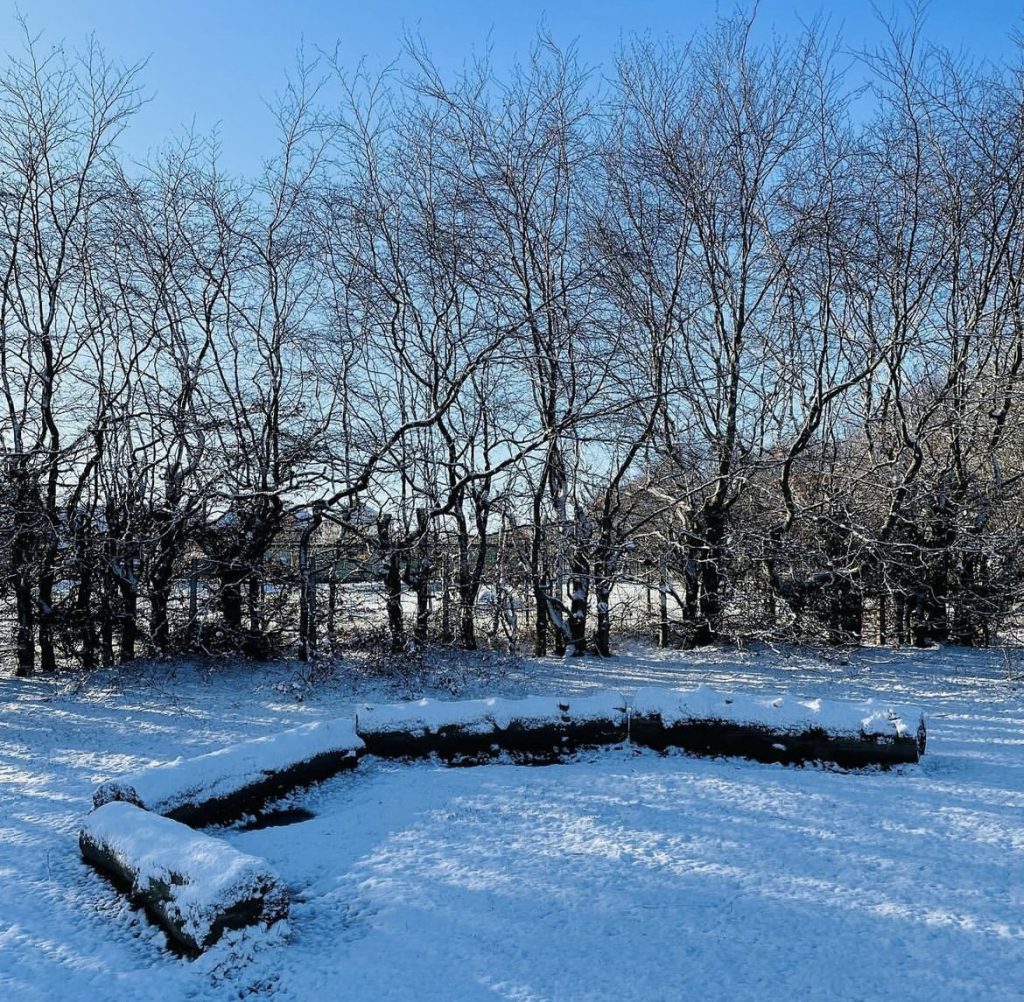
- Principle 2: Forest School takes place in a woodland or natural wooded environment to support the development of a relationship between the learner and the natural world.
- Principle 3: Forest School aims to promote the holistic development of all those involved, fostering resilient, confident, independent and creative learners.
- Principle 4: Forest School offers learners the opportunity to take supported risks appropriate to the environment and to themselves.
- Principle 5: Forest School is run by qualified Forest School practitioners who continuously maintain and develop their professional practice.
- Principle 6: Forest School uses a range of learner centred processes to create a community for development and learning.
Forest School and Outdoor Learning engages children through varied experiences. Many children learn best when they are offered exciting experiences, when they are encouraged to experiment and ‘have a go’ and when activities are child-led.
Forest School is a fantastic way of engaging children and providing opportunities that cannot be found indoors – the outdoor environment gives pupils the opportunity to learn key skills in a practical way and allows children to develop independence, teamwork, decision-making skills, determination and resilience.
What skills do our children develop through Forest School?
As well as developing skills across a range of subject areas, Forest School encourages our children to:
- develop personal and social skills including language and communication skills;
- work independently and as part of a team;
- work through practical problems and challenges;
- use tools to create, build or manage;
- discover how they learn best;
- follow lines of enquiry that interest them;
- learn how to manage failure;
- regularly experience achievement and success;
- build confidence in decision making and evaluating risk;
- develop practical skills;
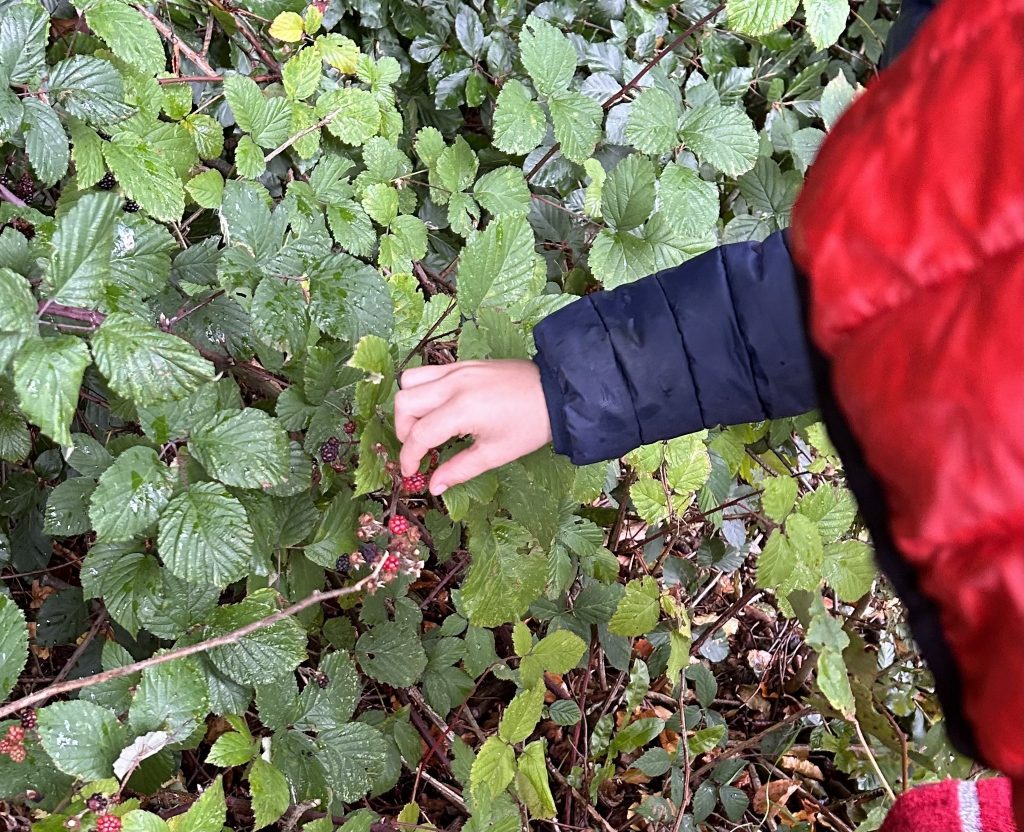
- explore their relationship with nature;
- reflect on learning and experiences;
- improve physical fine and gross motor skills;
- become more motivated;
- improve their concentration skills
What sort of activities do our children take part in?
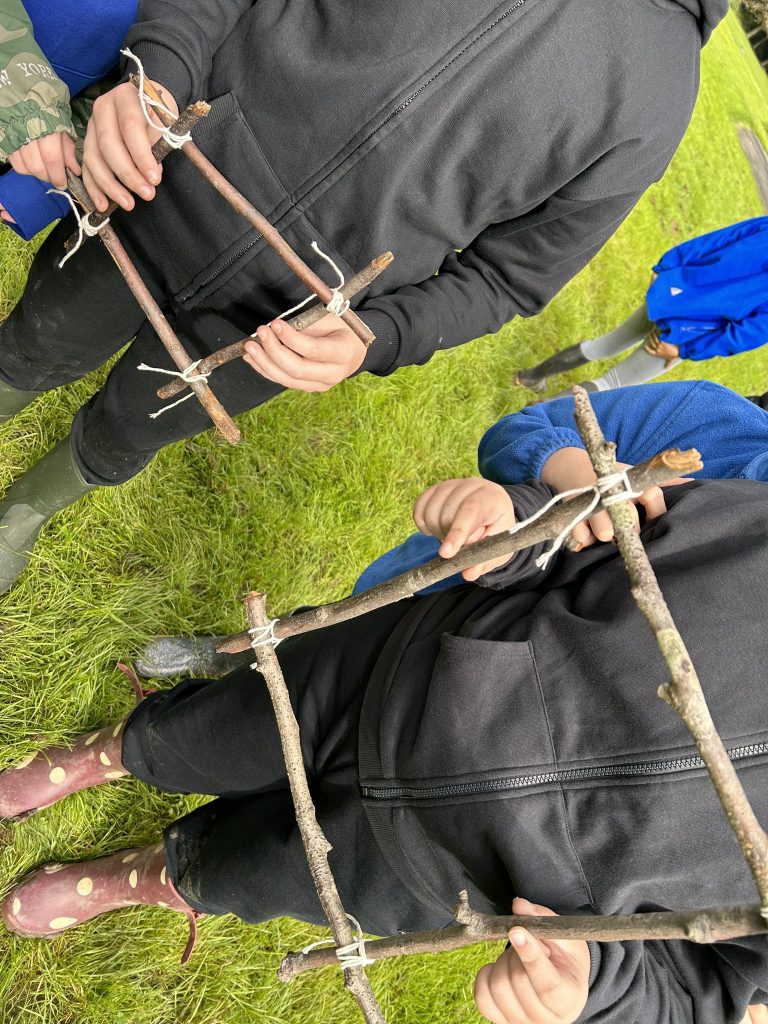
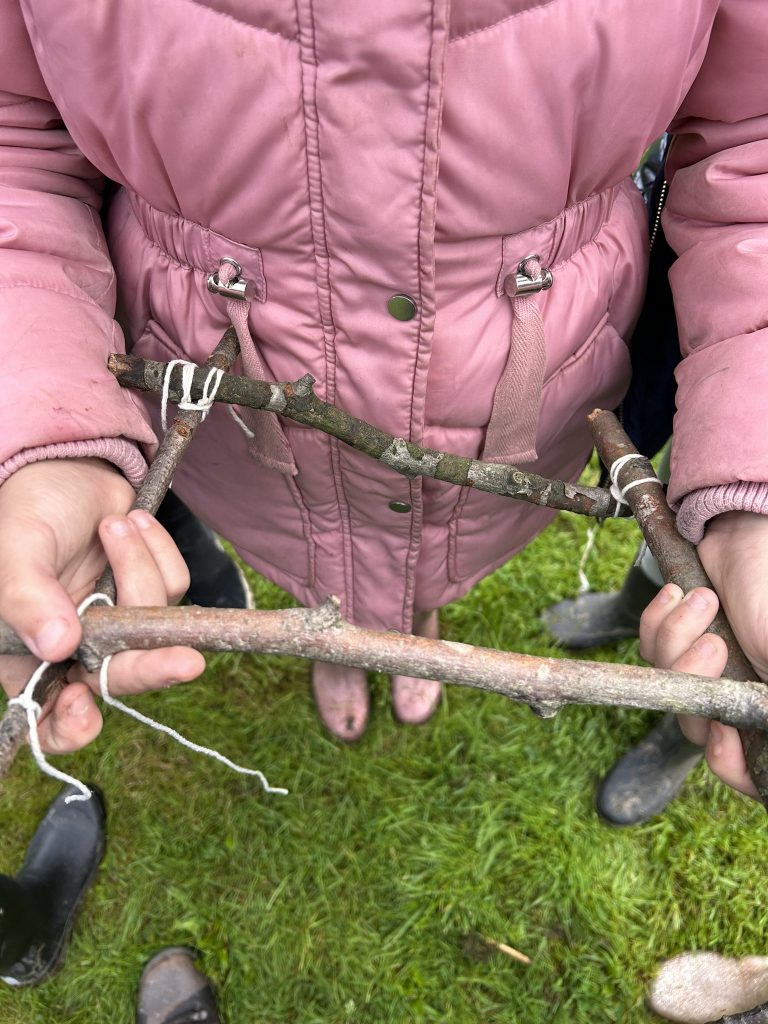
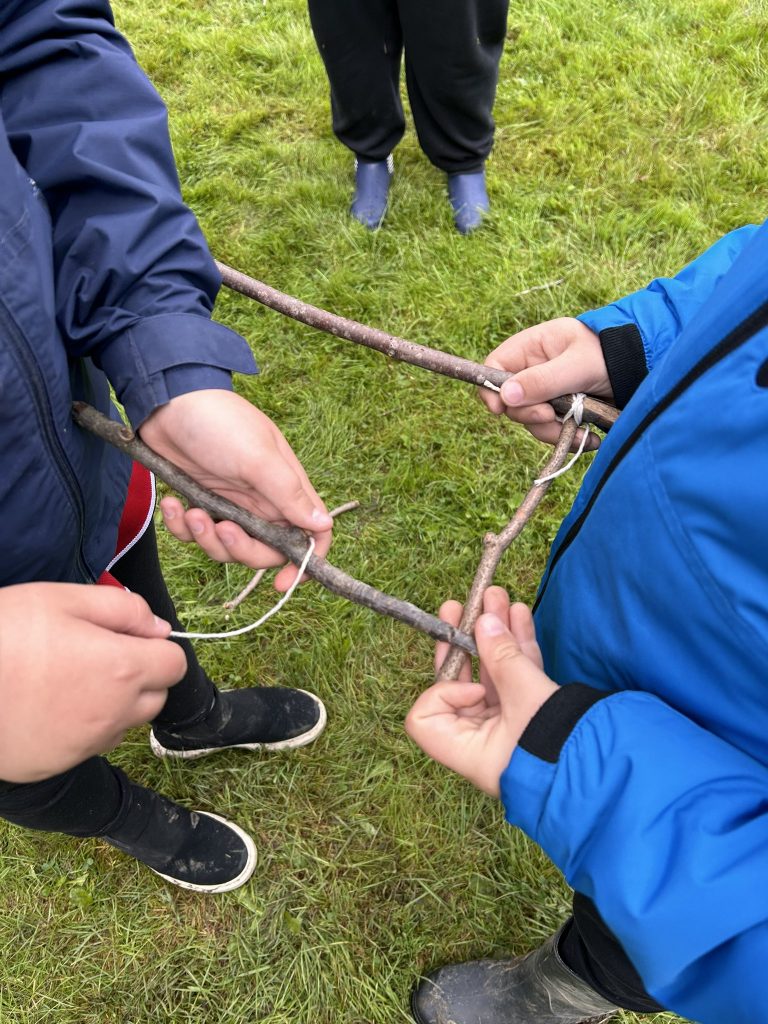
- shelter building;
- tool use;
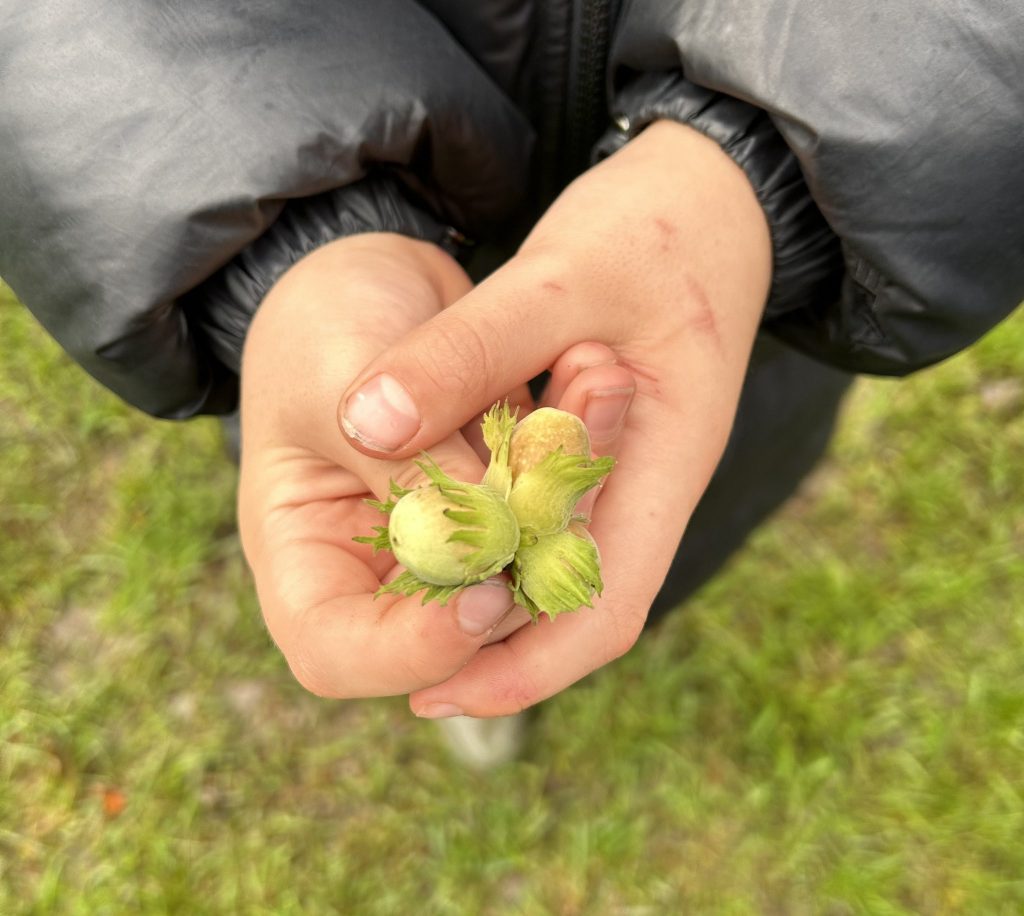
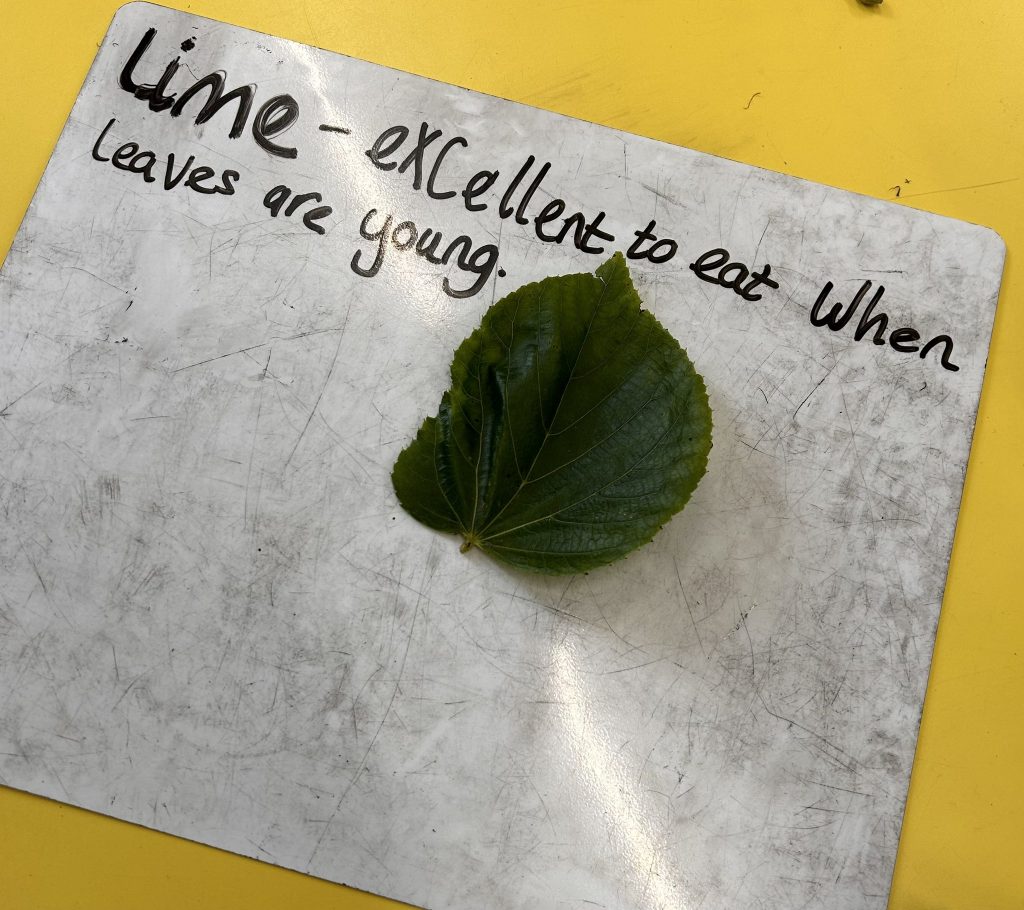
- studying wildlife;
- playing team and group games;
- sensory activities;
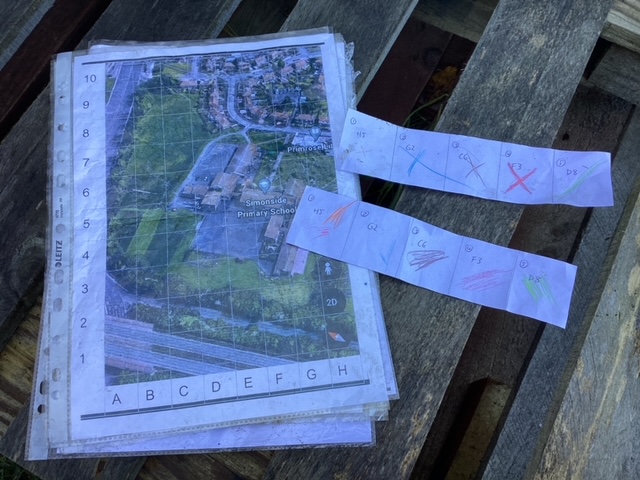
- tracking games;
- cooking on an open fire;
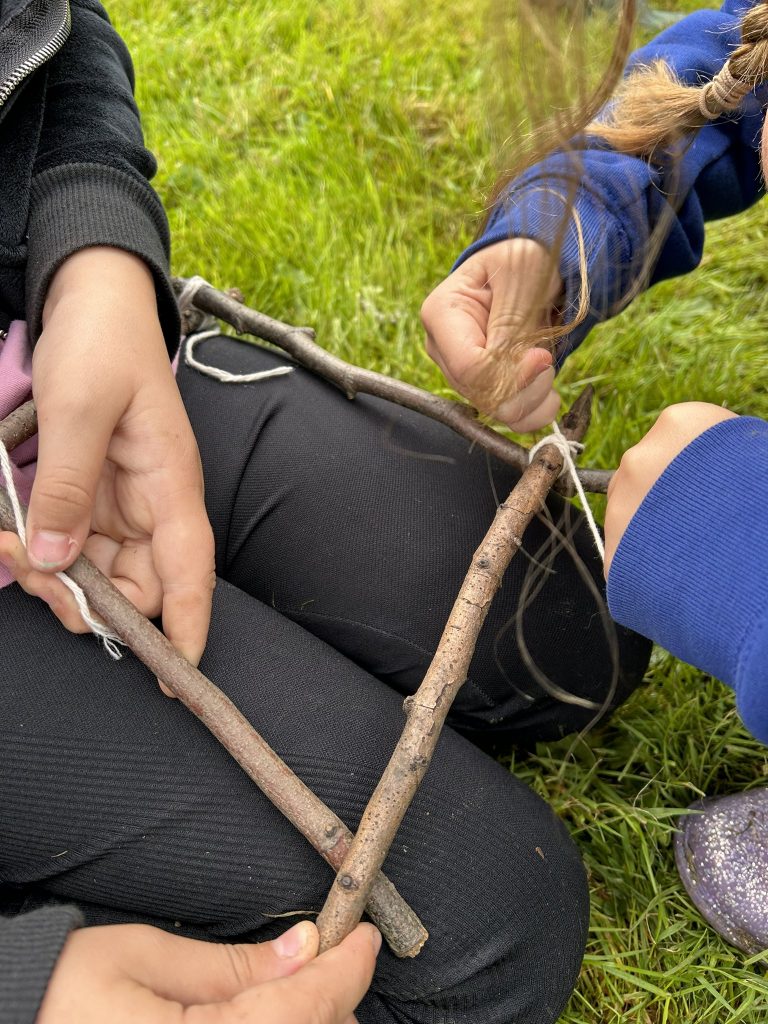
- rope and string work;
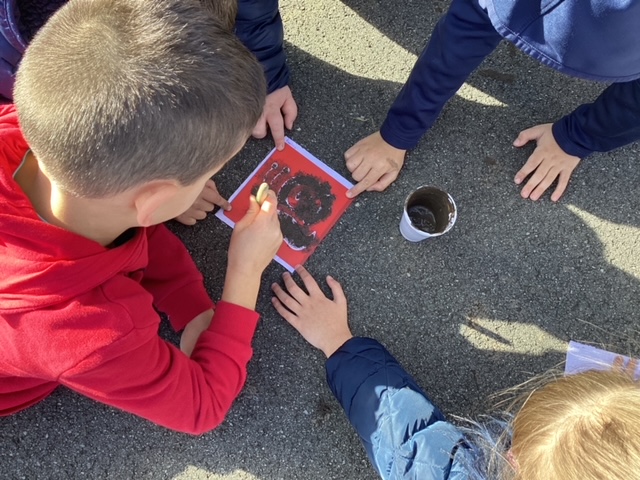
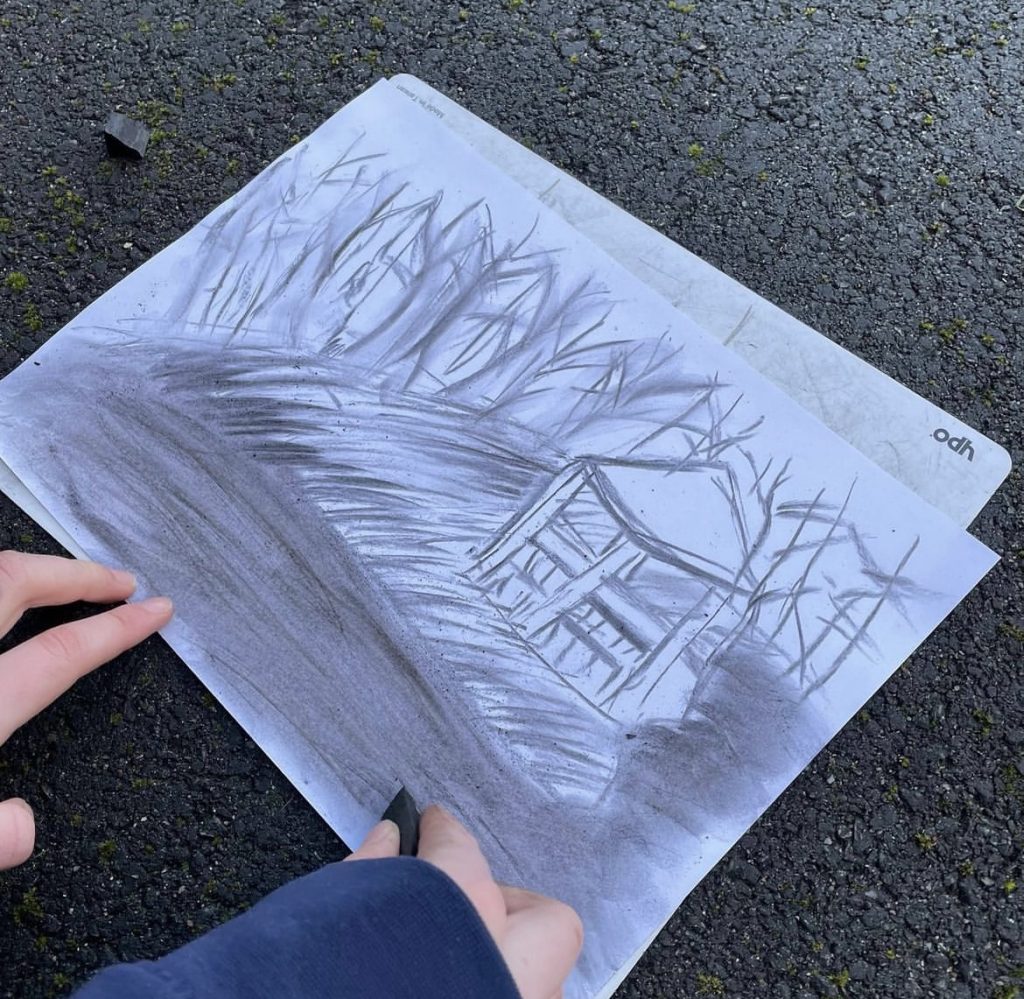
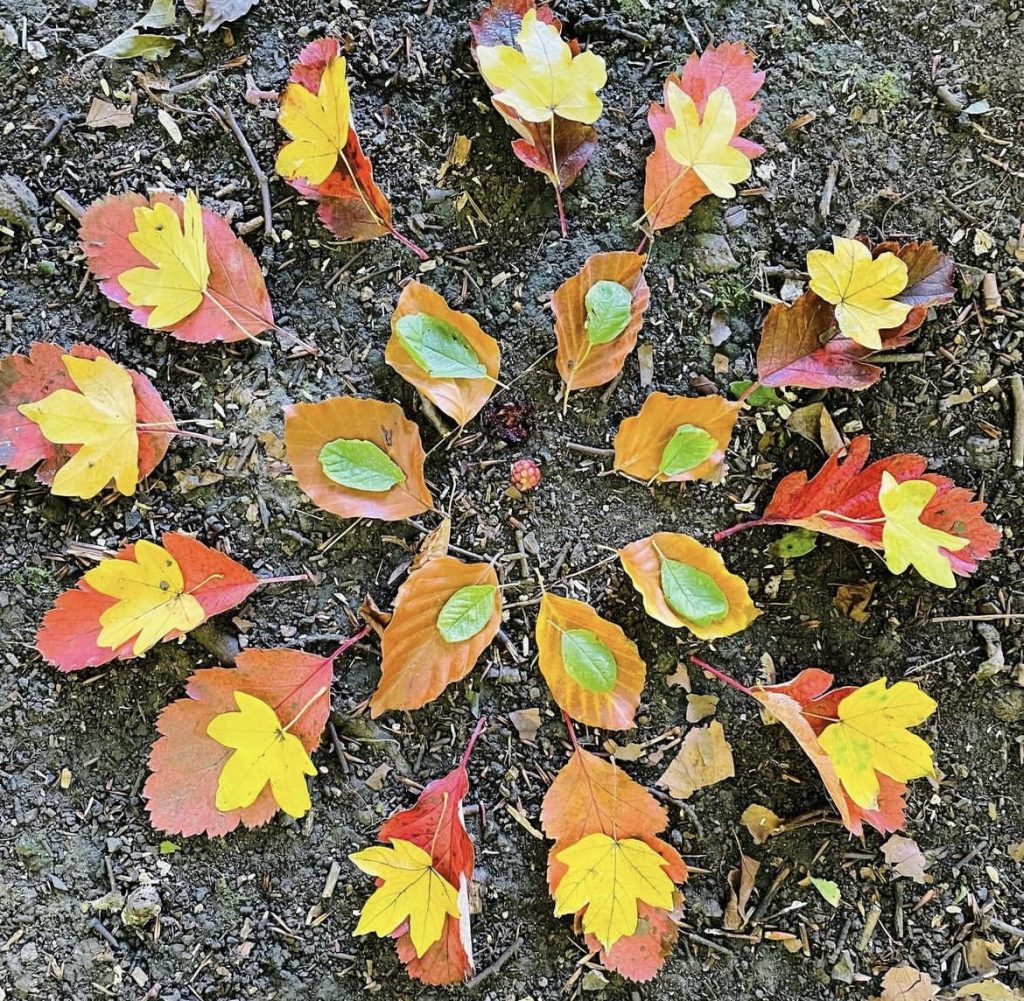
- art and sculpture work;
- woodland and traditional craft
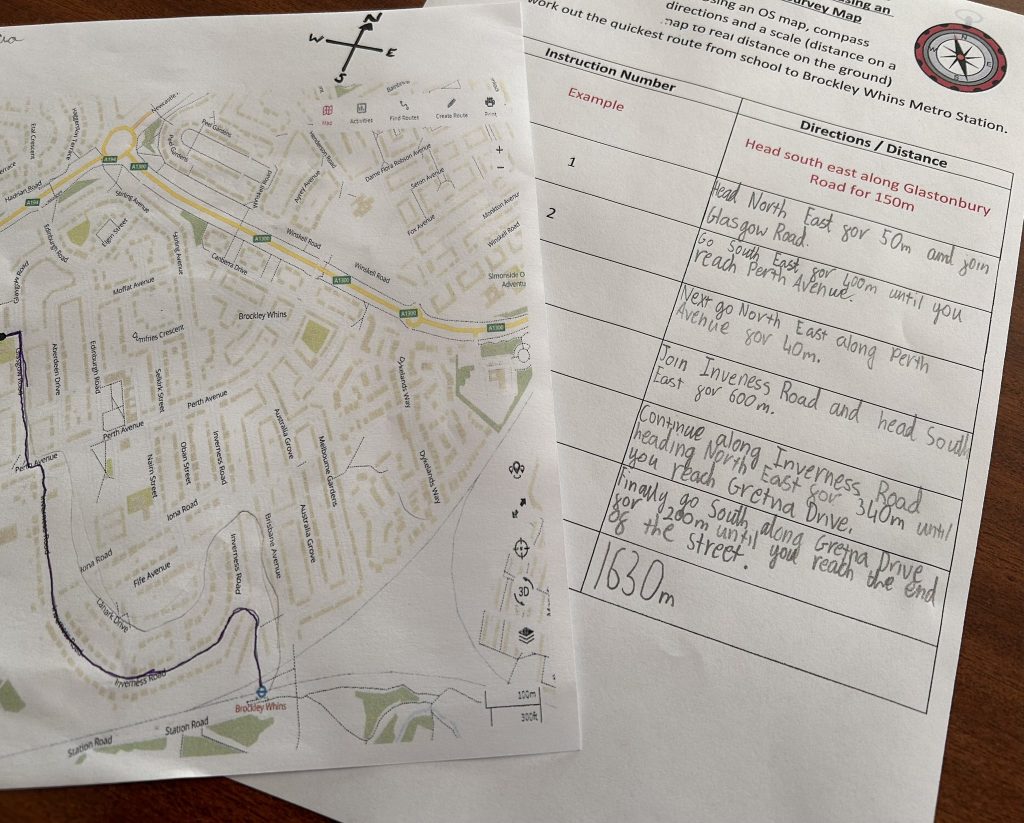
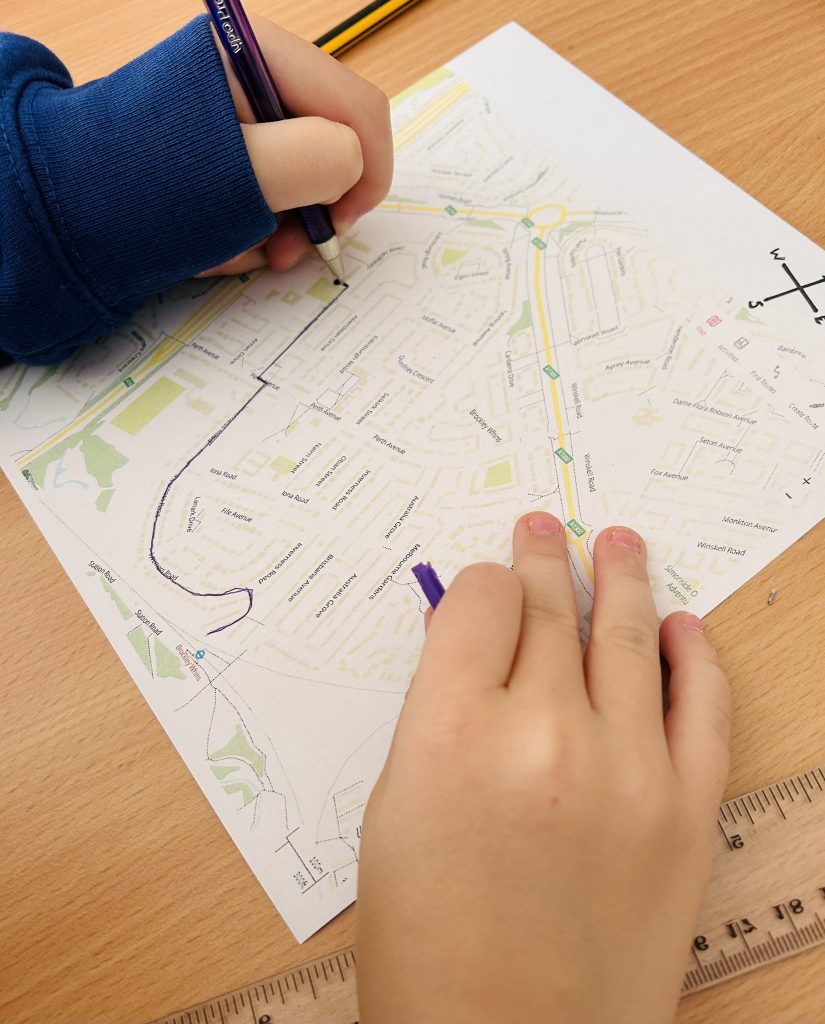
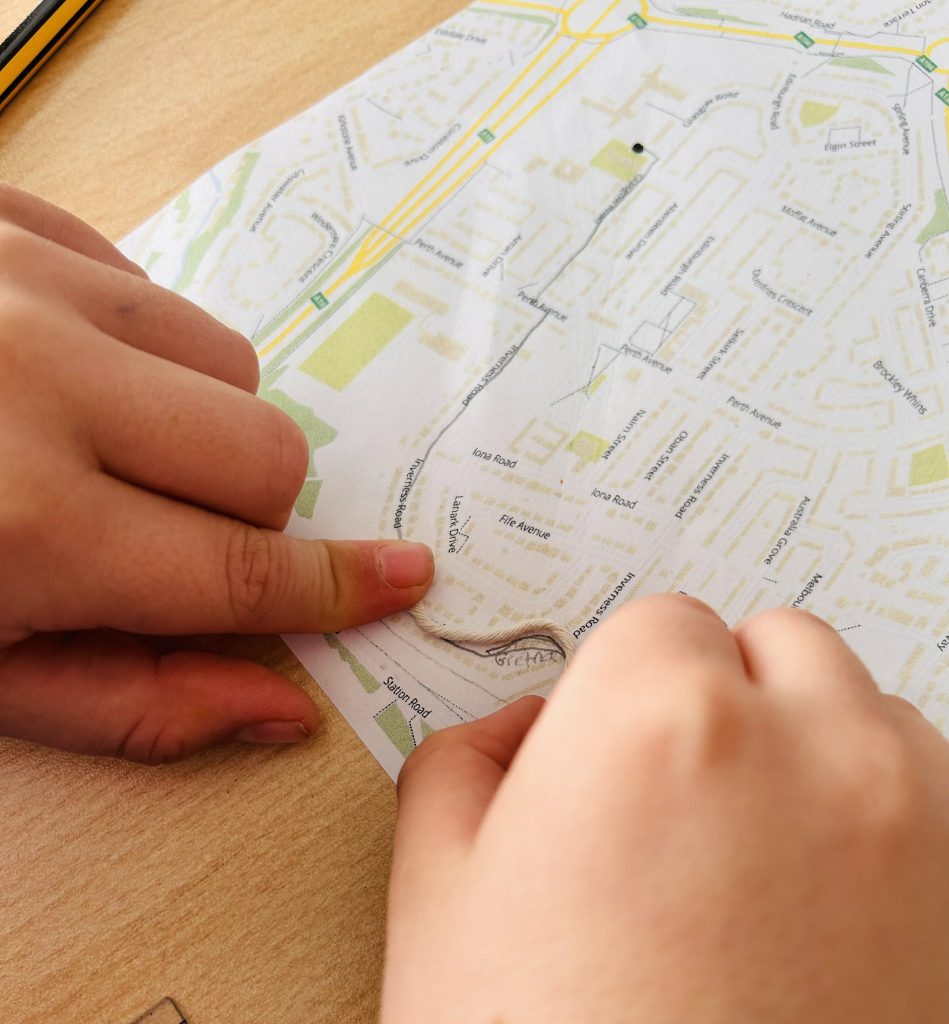
- activities linked to other areas of the curriculum (including – but not limited to – Science, Art, DT and Geography)